

Support for people from multicultural backgrounds
On this page
On this page
When people talk about ‘mental health’ and ‘social and emotional wellbeing’, they are talking about how you feel, think, interact with others, and enjoy and take part in life. There are many ways of thinking about, talking about and understanding these topics across different cultures and communities. You may have unique cultural connections, beliefs and healing practices shaped by your family, community, or cultural background. You might even use other words or concepts to describe when you’re feeling concerned or worried. Whether you were born overseas, on Country, or elsewhere in Australia—or if your family was—you and your family have the right to access health care in Australia. It’s not always easy to know where to turn for support when you need it. You might find it helpful to talk with friends, family, community members, Elders, or faith leaders. At other times, you may prefer to speak with someone outside your family or community about your mental health or social and emotional wellbeing. It is important to know how to look after your own mental health, and social and emotional wellbeing, and how to get help when you need it.

Things that influence your mental health and social and emotional wellbeing
Moving and settling into a new country is a significant life change, even when the culture or language feels familiar. Whether you’ve just arrived in Australia or have been here for many years, you may face situations that are difficult or unfamiliar.
Your mental health or social and emotional wellbeing can be shaped by many things, including your physical health, cultural background, religious beliefs, upbringing, current life circumstances, and experiences before arriving in Australia—especially if those experiences were stressful or traumatic. These factors can influence how you understand and talk about mental health and social and emotional wellbeing, and where you feel comfortable seeking support.
Some things that are common for people from multicultural backgrounds to experience are:
- feeling alone or disconnected from your cultural and spiritual connections, community, family or faith
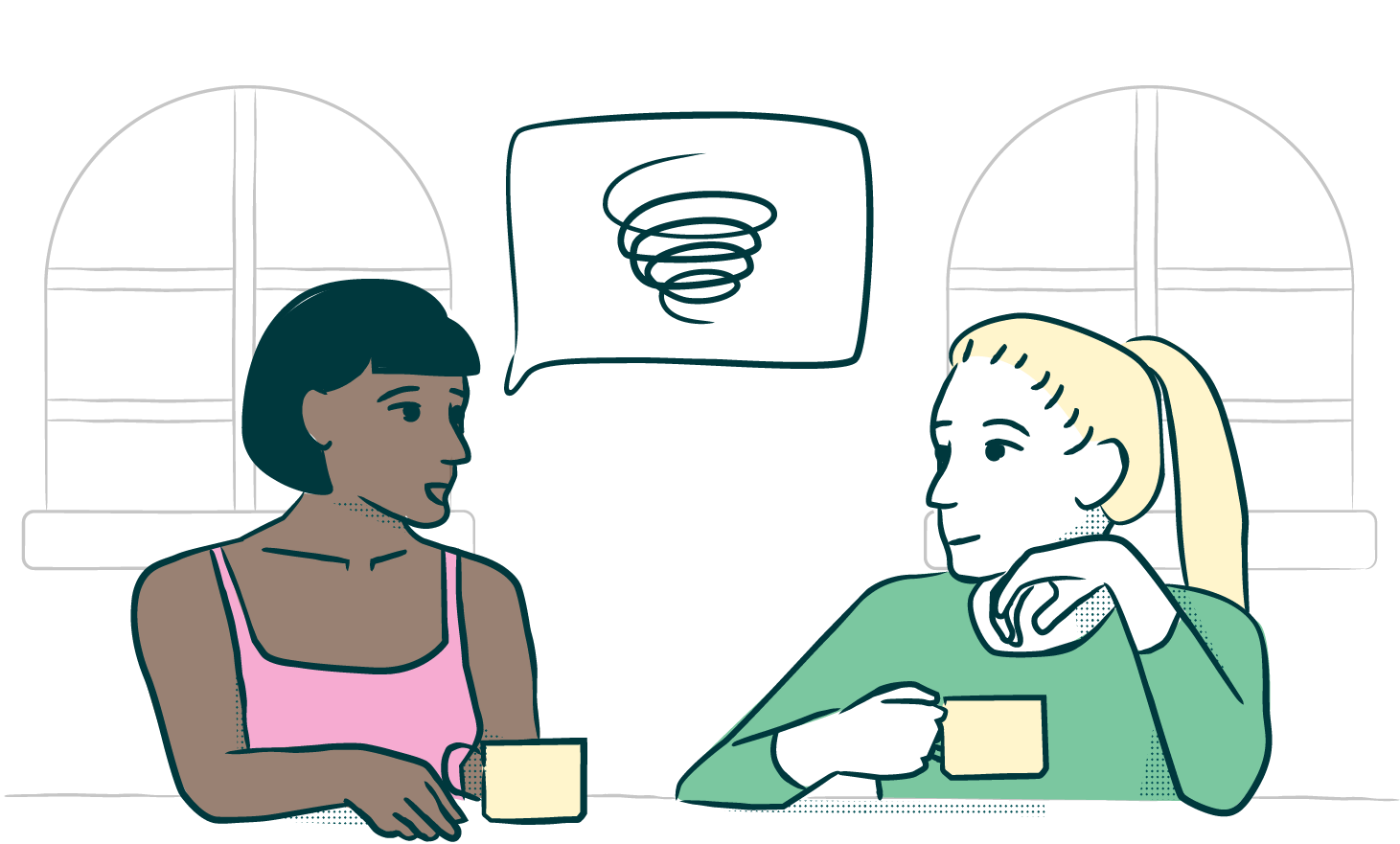
- difficulties speaking or understanding English
- challenges finding work or adjusting in a new workplace
- securing a stable future or financial stability
- trouble finding suitable housing for you and your family
- worrying about your visa or immigration status
- managing poor health
- dealing with the impact of terrible experiences (such as war, violence, trauma and abuse)
- worrying about family or loved ones back home
- worrying about conflict occurring in your home country
- experiencing discrimination or racism
- getting used to living in a new place or country
- struggling to maintain cultural beliefs and practices in a new country
- feeling overwhelmed while caring for a loved one.
While these situations can be stressful and overwhelming, you are not alone. It’s important to remember that safe and confidential support is available, often for free or at low cost. Get started with some of the resources below.
Whether you are dealing with a difficult situation or want to feel your best, there are things you can do to help yourself take care of your mental health and social and emotional wellbeing. Eating well, getting enough sleep, being active, making connections with your community and friends, and following your cultural traditions can all make a positive difference.
Learn more about looking after your health and wellbeing.
It is good to know when you cannot manage on your own and when to get some help. You might choose to talk to someone you know and trust in your family or community until you feel ready to get help from a health professional. If you are unsure how to find help or appropriate services, ask someone you trust to help you navigate it all.
Get tips on how to talk to someone about what you’re going through.


Types of support available
Many mental health organisations and government agencies have support workers who speak many languages. They offer translated information on a range of topics related to your health and wellbeing. There are also community organisations that offer specialised services for multicultural people.
Interpreter services are also available to help you talk with a professional or a support service.
If you need mental health support in your language, call TIS National on 131 450 or visit the TIS National website to get an interpreter. TIS National covers more than 100 languages and is available 24 hours a day, 7 days a week, for the cost of a local call.
Medicare Mental Health can also support you. You can take this short quiz where you can pick some goals to support your wellbeing and answer a few questions. You can then find culturally safe and relevant services and resources that may be right for you.